




All 11 US National Scenic Hiking Trails, Ranked By Difficulty
Islands (May 23, 2026) by Kate Mothes
The United States has myriad trails across its vast and varied landscapes. There are 11 official National Scenic Trails, and they offer some of the world’s most beautiful and ambitious walks. Ranging from 65 to 4,600 miles and covering all of the country’s major mountain ranges, the U.S. National Scenic Trails system appeals to all skill levels, from beginners to veterans. But how challenging is challenging? It depends on how you look at it.
These trails are organized into sections, which can vary greatly in difficulty. The North Country Trail, for example, is nearly 5,000 miles long, but some segments are relatively flat. Mountainous trails, meanwhile, can be incredibly strenuous, even if distances are modest. Hikers have differing opinions about the difficulty of through-hikes on some of the most extensive routes, but a lot of that depends on weather, gear, preparedness, and personal preferences.
Below, we’ve listed all 11 National Scenic Trails in order of difficulty, based on their entirety. Through-hikes are as mentally challenging as they are physical. Endurance comes in many forms, and the experience will be unique for everyone, so this list approaches “difficulty” through the lens of both physical and mental toughness. We’ve compared reviews on sites like AllTrails and hikers’ YouTube channels and blogs, and we consulted official resources such as the National Parks Service and trail associations. A longer trail is not necessarily a harder trail, so we also considered elevation gain and remoteness.
#6 Arizona Trail
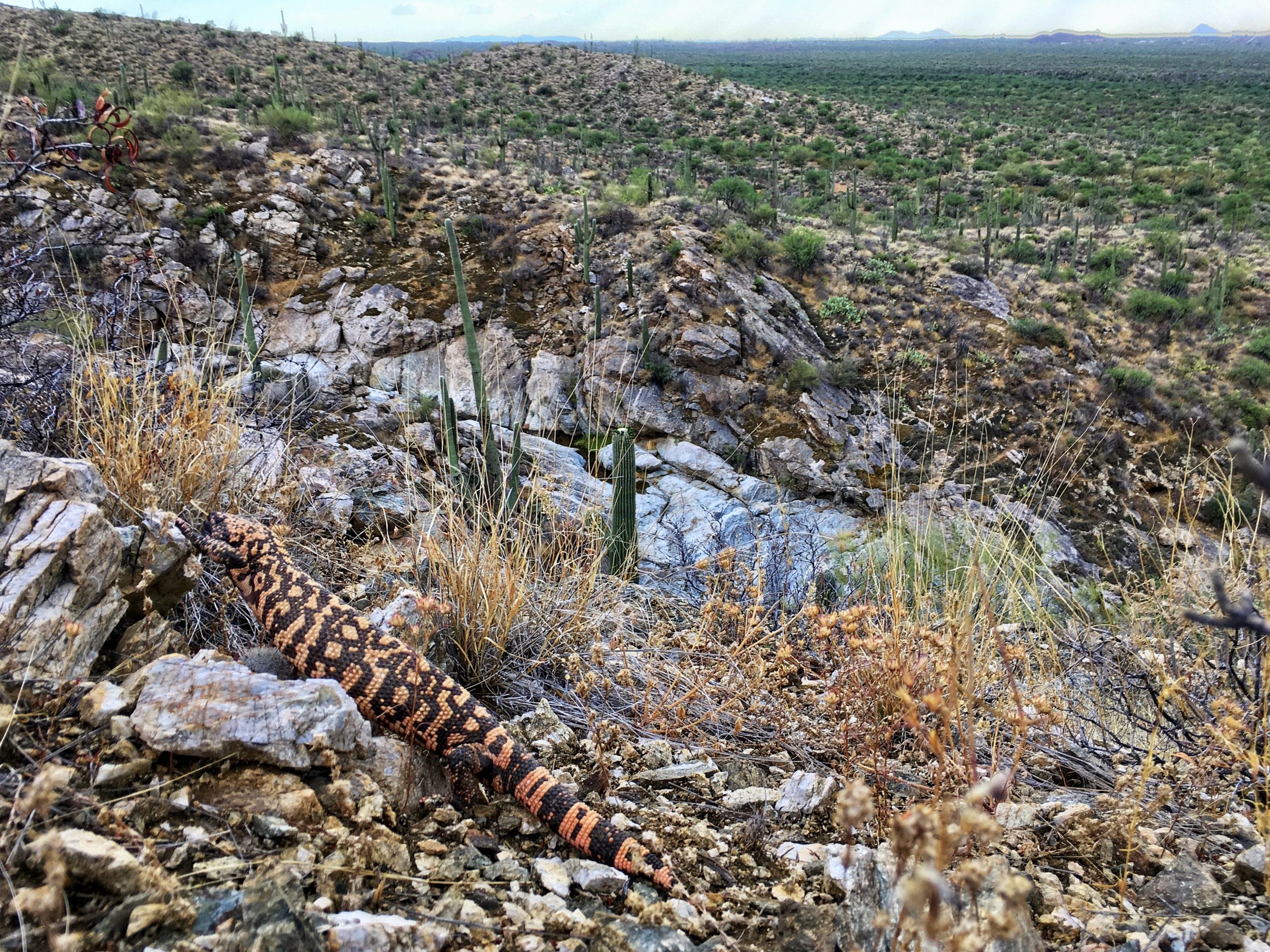
The Arizona National Scenic Trail (AZT) is a true gem that covers about 800 miles between the state’s northern and southern borders. The AZT moves through rugged red rock country, including the Grand Canyon, along with mountains and “sky islands” of ponderosa pines.
The AZT is organized into 43 sections, or passages, and finishers tend to do the whole thing in around a month or two. Despite its modest overall distance, at least in comparison to the next few on the list, the steep climbs through mountain ranges and harsher desert climate makes this more challenging than some of the longer-but-flatter or more temperate trails. “You’ll spend a few days on a mountain and then go lower, but it’s not pass after pass like the PCT. More like one mountain range after another,” shares a Redditor. “You’ll drink water out of a lot more cattle troughs and tanks.”
The total elevation gain for this trip is nearly 105,000 feet, according to AllTrails, but certain areas are flatter than others. “The trail changes dramatically north of Pine (Mountain),” shares a hiker in the same Reddit discussion. “It’s very flat, aside from the Grand Canyon.” And yes, you do head right on down into the canyon itself to experience one of the most iconic national parks in the nation. The ultimate time of year to plan a trip to Grand Canyon may be in the fall, and that’s a good time to also hike southbound (SOBO) on the AZT. A northbound trip (NOBO) is a good fit for springtime, when you can climb up to higher, cooler altitudes as the days heat up.
To read the complete article online, click here.
