


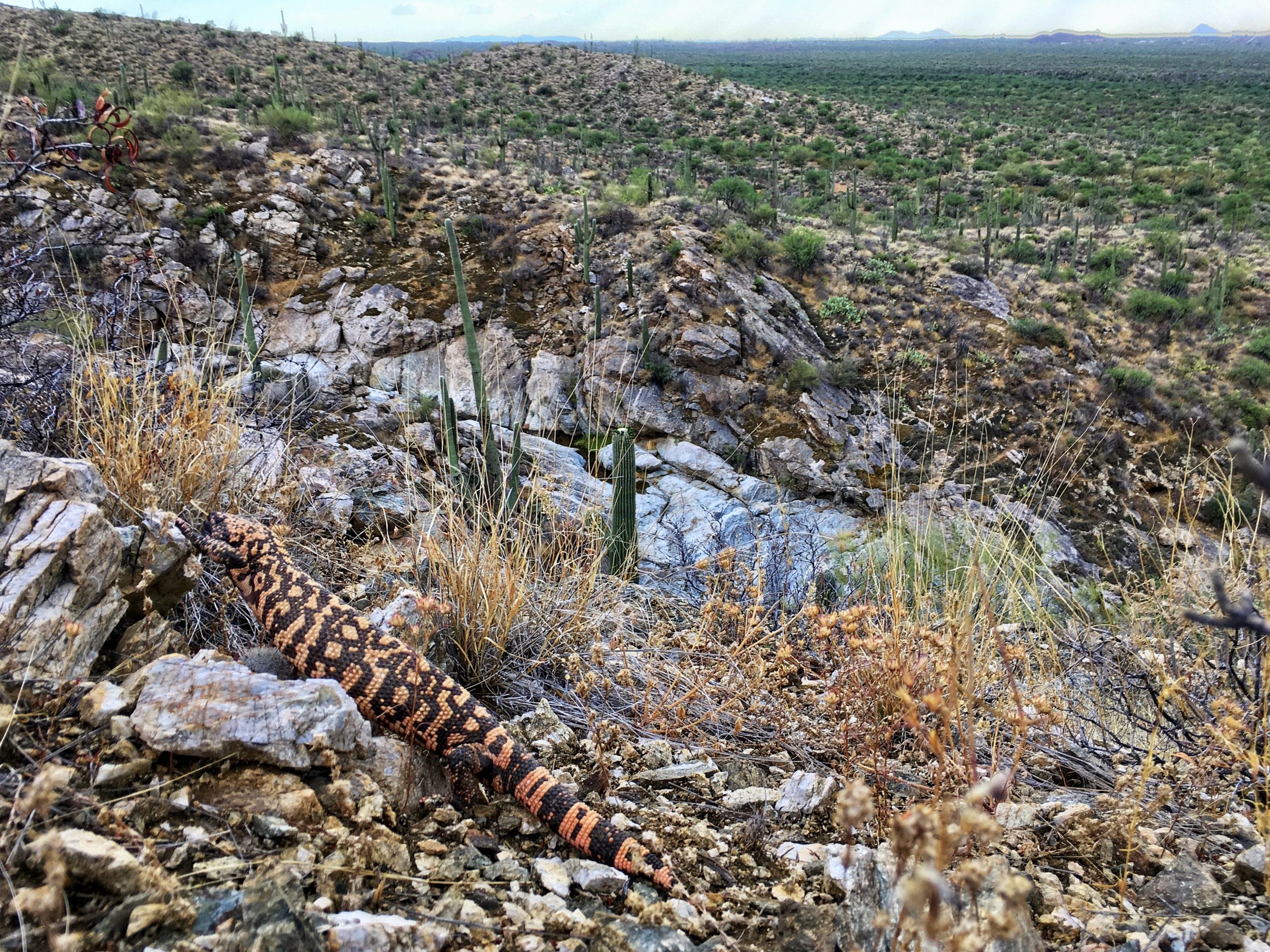


One great measure to mitigate the urban heat island effect is reducing paved surfaces and increasing the shade canopy. One of my favorite parts of Tucson is the Richland Heights West neighborhood near Prince and Ft. Lowell which has dirt streets (no gravel which adds heat) and minimized traffic with beautiful desert flora and fauna. Thermally efficient and more affordable adobe houses need to make a comeback in So. AZ with programs providing training and financing to build your own adobe house. Cities need to prioritize bicycle and foot traffic over automobiles which need to go the way of the dinosaurs. Bogota, Colombia has excellent public transportation with a vast network of dedicated bike lanes and every Sunday for the past 50 years Bogota has celebrated their “Ciclovía” event closing over 75 miles of city streets to traffic from 7am to 2pm to promote public health and community cohesion. Colombia’s outgoing president Gustavo Petro has been very outspoken on the dangers of climate change and the need to transition from fossil fuels immediately.
Reflections on confronting climate change from Babad Do’ag (Frog Mountain — Mount Lemmon)
Arizona Daily Star (April 13, 2026) by Richard Boren
I spent three wonderful yet unseasonably hot weeks in March hiking the Arizona Trail over Mt. Lemmon and enjoyed mingling with hikers from all over the world. The month had record heat reaching 100 degrees in Tucson on March 19. So. AZ is facing an existential threat due to climate change. Tucson used to average around 60 days a year with temps above 100 while a new record was set in 2024 with 112 days topping 100. Maybe we will eventually be like Count Dracula, only coming out at night. I do enjoy hiking at night with a full moon.
The impacts of climate change are accelerating and Arizona stands to lose most of its water allotment from the Central Arizona Project in 2027 (projected cuts up to 77%). Increased mining activities in the region will only make matters worse with new water-intensive mines in Patagonia, the Santa Ritas, and Oak Flat (near Superior). Proposed data centers near Tucson and Marana will require huge amounts of water and electricity. Construction of Homeland Security’s shameful border wall produces massive carbon emissions and disrupts wildlife corridors. Meanwhile renewable energy projects have been cancelled in AZ and nationally with the Trump administration’s priority to acquire more fossil fuels by hook or by crook including the use of military force. Wealthy investors such as Bill Gates are promoting nuclear energy to power the data centers and to counter global warming, but personally I would prefer not to risk another Chernobyl type nuclear catastrophe just to have artificial intelligence at my fingertips.
The city of Tucson has been more proactive with programs like the “Tucson Million Trees Initiative”, which plants native tree species for residents at no cost, and other initiatives addressing climate change. Tucson’s free bus service and the electric Sun Link Streetcar needs expansion, especially since Tucson’s streets are so dangerous for bicyclists and pedestrians. Red light and stop sign runners take advantage of lax enforcement resulting in frequent tragedies such as the three University of Arizona students who were killed last year at night in a faded unlit crosswalk by a speeding driver on Euclid Ave. Pedestrian overpasses which are common in Mexico are desperately needed throughout the city. One initiative the city should reverse is the placement of riprap boulders under freeway underpasses to prevent those most vulnerable to the heat, the homeless population, from seeking respite in the shade.
With extreme heat on the rise and shrinking water resources it is hard to imagine how cities such as Tucson will continue to thrive long into the future. The age of air conditioning and cars resulted in explosive growth in Arizona which has exceeded the desert’s carrying capacity, while indigenous inhabitants like the Tohono O’odham have survived here living in harmony with the land for thousands of years. A reckoning is upon us and with gasoline prices spiraling out of control there is no better time for the City of Tucson and residents of Southern Arizona to leave no stone unturned in combating climate change.
To read the article online, click here.
